
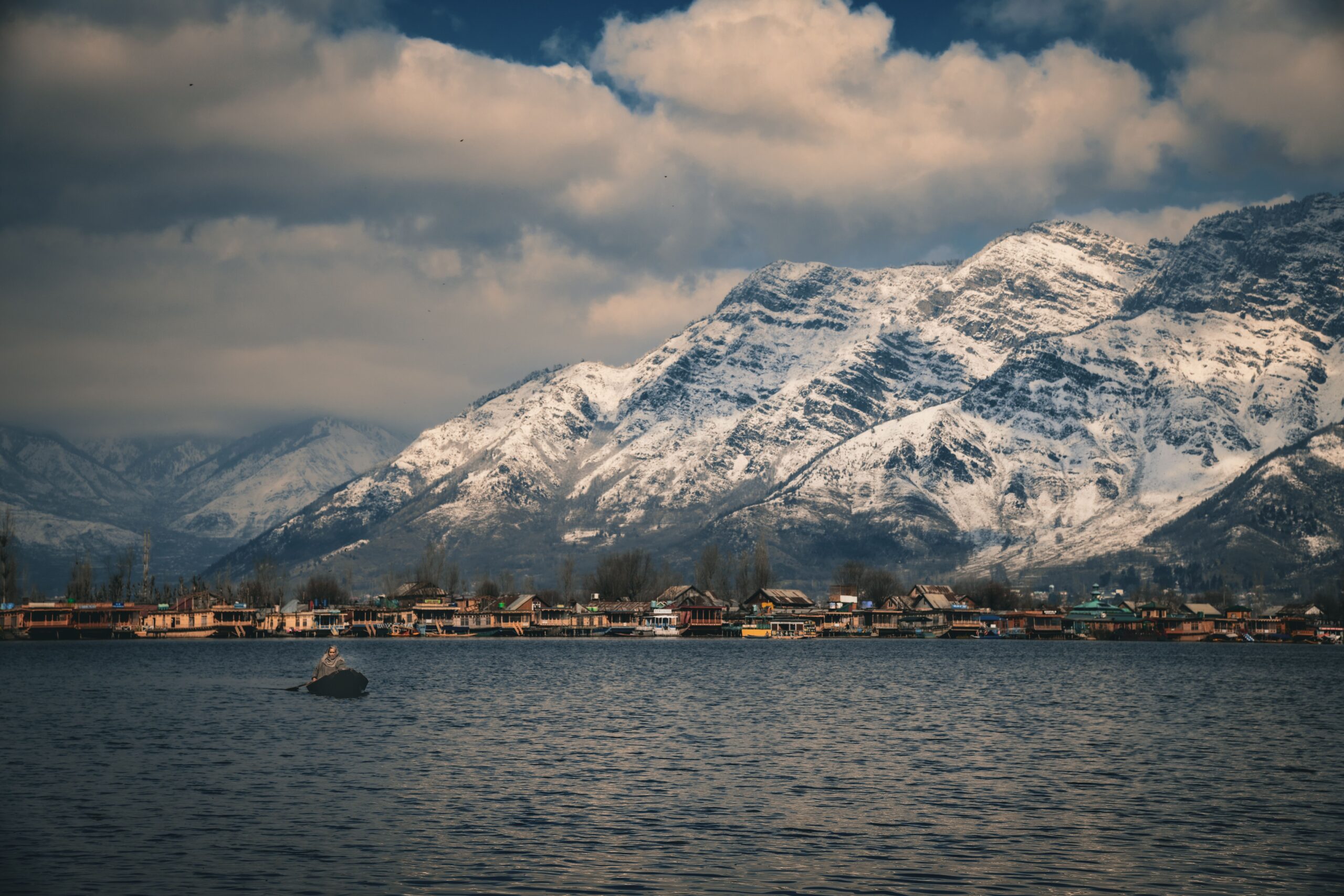
Every good Kashmir travel guide should begin with one moment, the one almost every first-time visitor describes in the same way. The plane banks over the Pir Panjal range, the clouds break, and suddenly there is a valley below you so green, so neatly stitched with poplar rows and silver streams, that it looks less like a place and more like a painting someone forgot to finish. Then you land at Srinagar, step out into air that smells faintly of wood smoke and wet earth, and you understand why a Mughal emperor once called this land paradise on earth.
At Swati World Tours, we send groups from Pune, Mumbai and across Maharashtra to Kashmir every season, and we hear the same question again and again: “Where do we even start?” This Kashmir travel guide is our answer. It is written from what our travellers actually experience on the ground — not from a brochure — so you can plan a trip that is relaxed, safe and worth every rupee.
Why Kashmir Should Be Your Next Holiday
Plenty of Indian hill stations offer cool weather and mountain views. Kashmir offers something harder to find: variety packed into a small area. In a single five-day trip you can:
- Sleep on a hand-carved cedar houseboat on Dal Lake
- Ride one of the highest cable cars in Asia at Gulmarg
- Walk up to a glacier in Sonmarg in the middle of summer
- Drink saffron kahwa in a 400-year-old Mughal garden
- Eat a nine-course Wazwan feast cooked by a traditional waza
Most of these experiences sit within two to three hours’ drive of Srinagar, which means you spend more time enjoying and less time sitting in a vehicle. For families, honeymooners and senior citizens alike, that matters a lot.
Best Time to Visit Kashmir (Season by Season)
The first question any Kashmir travel guide must answer is when to go. There is no “wrong” time to visit Kashmir — only different versions of it. Pick
Spring (March to May): Tulips and Blossoms
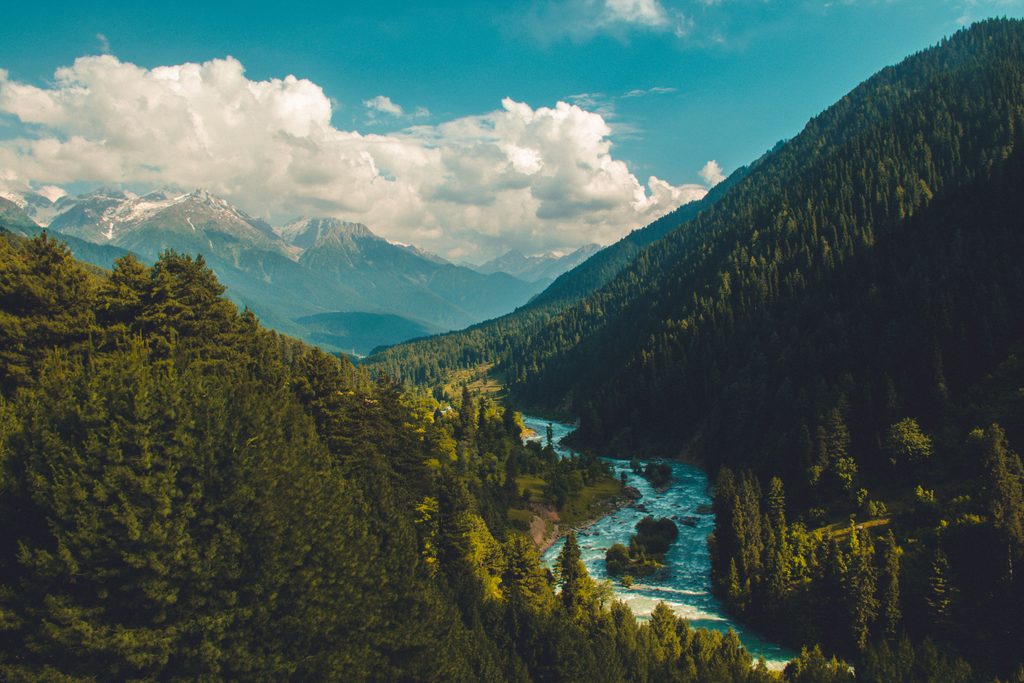
Summer is the peak season for families escaping the heat of the plains. Gulmarg, Sonmarg and Pahalgam turn a deep green, rivers run full, and you can comfortably walk to Thajiwas Glacier in Sonmarg. Expect daytime temperatures of 20–30°C in Srinagar and cooler air in the hills. Book early — hotels and flights fill fast during school holidays.
Autumn (September to November): The Golden Season
This is our personal favourite, and many repeat travellers agree. The chinar trees turn fiery red and gold, the skies are clear, crowds thin out, and prices are often more reasonable than in summer. October in particular offers crisp mornings, sunny afternoons and stunning photography light. It is also the saffron harvest season around Pampore, when purple crocus fields bloom for a short window.
Winter (December to February): Snow Country
If your dream is snowfall, come in winter. Gulmarg becomes one of India’s top skiing destinations, Dal Lake’s edges may freeze during the coldest weeks, and the whole valley turns white. Temperatures can drop well below zero, so pack serious woollens. Some high roads, such as the route beyond Sonmarg, may close temporarily due to snow, so winter itineraries need flexibility.
Quick recommendation:
| What you want | Best months |
|---|---|
| Tulips & flowers | Late March – April |
| Green meadows & glaciers | May – August |
| Autumn colours & fewer crowds | September – November |
| Snow & skiing | December – February |
How to Reach Kashmir from Pune and Mumbai
This part of our Kashmir travel guide is written especially for travellers from Maharashtra.
By Air (Fastest)
Srinagar International Airport (SXR) is the main gateway. There is generally no non-stop flight from Pune, so most travellers connect through Delhi or Mumbai. Total travel time from Pune is usually 5–7 hours, including the layover. Morning flights are best — Srinagar’s weather is more stable earlier in the day, and you arrive with time to settle into your houseboat.
By Train
Rail connectivity to the valley has improved significantly in recent years, with trains now running from Katra to Srinagar across the Chenab Bridge, the world’s highest railway arch bridge. From Maharashtra, it is still a long journey, so trains work best for travellers who have extra days and enjoy the scenic route.
Kashmir Travel Guide: Top Places to Visit
1 Kashmir Travel Guide: Top Places to Visit
Srinagar is where your Kashmir story begins. Do not rush it.
- Dal Lake & Shikara Ride: Take a one-hour shikara ride at sunset. You will pass the floating vegetable market (go early morning for this), lotus gardens, and little shops selling everything from kahwa to copperware — all on boats.
- Houseboat Stay: At least one night on a houseboat is a must. Each one is different, with walnut-wood ceilings, Persian carpets and a sit-out deck facing the lake.
- Mughal Gardens: Nishat Bagh, Shalimar Bagh and Chashme Shahi are terraced gardens built by Mughal rulers, with fountains, chinar trees and views of the Zabarwan hills.
- Pari Mahal: A seven-terraced garden on a hillside, best visited in the evening for the lake view.
- Shankaracharya Temple: Climb about 240 steps for a panoramic view of the entire city.
2. Gulmarg — The Meadow of Flowers
About 50 km from Srinagar, Gulmarg is a wide, cup-shaped meadow surrounded by pine-covered slopes. Its biggest attraction is the Gulmarg Gondola, which runs in two phases: Phase 1 to Kongdoori and Phase 2 to Apharwat Peak at nearly 4,000 metres. On a clear day, you can see snow-capped peaks stretching endlessly.
Other things to do: pony rides to Khilanmarg, the historic St. Mary’s Church, the Maharaja’s Palace, and in winter, skiing and snowboarding lessons.
Tip: Gondola tickets are booked online and sell out quickly in peak season. Book as soon as your dates are fixed, and keep the morning free — weather often clouds over by afternoon.
3. Sonmarg — The Meadow of Gold
Located about 80 km from Srinagar along the Sindh river, Sonmarg is the gateway to Ladakh via the Zojila Pass. The drive itself is one of the most beautiful in India, with the river roaring beside you most of the way.
The highlight is Thajiwas Glacier, reached by a short pony ride or walk. Even in June you can touch snow here. Sonmarg is also popular for river rafting in summer and camping by the meadows.
4. Pahalgam — The Valley of Shepherds
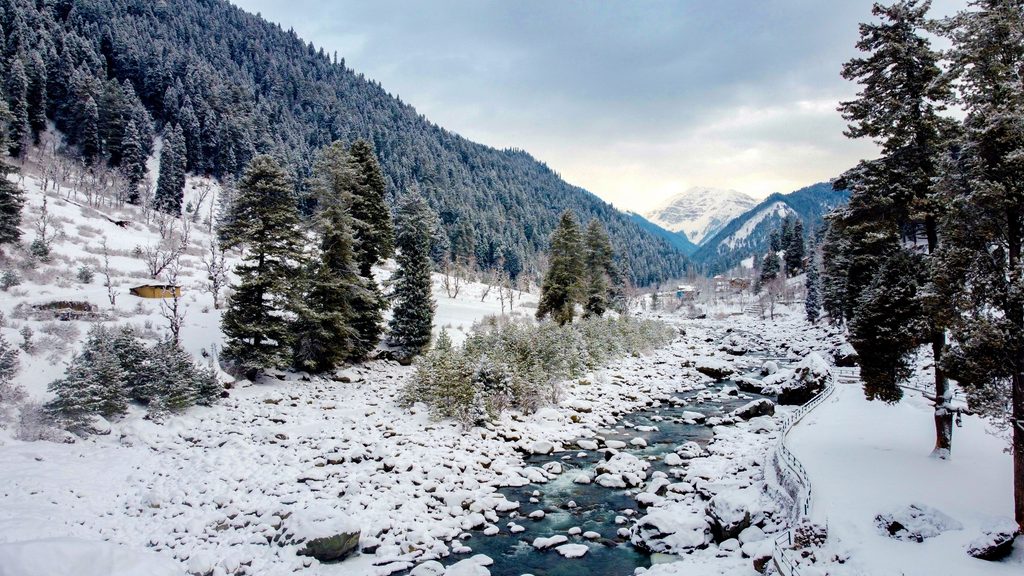
Pahalgam sits where the Lidder river and Sheshnag stream meet, about 95 km from Srinagar. It is softer and greener than Sonmarg, perfect for families who like gentle walks.
- Betaab Valley: A lush valley with a clear stream running through it, famous from the Bollywood film it is named after.
- Aru Valley: Quiet meadows and a base for treks to Kolahoi Glacier and Tarsar Lake.
- Chandanwari: The starting point of the Amarnath Yatra, with snow bridges in early summer.
On the way to Pahalgam you pass Pampore (saffron fields), Awantipora (ancient temple ruins) and cricket-bat factories in Sangam where Kashmir willow bats are made.
A Practical 5-Day Kashmir Itinerary (Srinagar – Sonmarg – Gulmarg)
If you follow just one section of this Kashmir travel guide, make it this one. This is the route our group travellers enjoy most, because it balances sightseeing with rest and avoids back-to-back long drives.
Day 1: Arrival in Srinagar — Houseboat & Shikara
Land at Srinagar airport and transfer to your houseboat on Dal Lake. Freshen up with a cup of kahwa. In the evening, take a shikara ride to watch the sunset over the Zabarwan range. Dinner and overnight on the houseboat.
Day 2: Srinagar to Sonmarg Day Trip
After breakfast, drive to Sonmarg along the Sindh river. Take a pony ride or walk to Thajiwas Glacier, enjoy the snow, and have lunch at a riverside dhaba. Return to Srinagar by evening.
Day 3: Srinagar to Gulmarg
Check out and drive to Gulmarg. Ride the Gondola (Phase 1 and, if weather permits, Phase 2). Spend the afternoon walking the meadow, visiting St. Mary’s Church and enjoying the mountain air. Overnight in Gulmarg — waking up to the meadow is something special.
Day 4: Gulmarg to Srinagar — Local Sightseeing
Return to Srinagar and visit the Mughal Gardens (Nishat, Shalimar, Chashme Shahi), Pari Mahal and Shankaracharya Temple. Keep the evening free for shopping at Lal Chowk, Polo View or Residency Road. Overnight in Srinagar.
Day 5: Departure
Early in the morning, visit the floating vegetable market if you are on a houseboat. After breakfast, transfer to the airport with suitcases full of saffron, walnuts and memories.
Have 7 days? Add two nights in Pahalgam (Betaab, Aru and Chandanwari) and a half-day at Doodhpathri, a quiet meadow far less crowded than Gulmarg.
How Much Does a Kashmir Trip Cost?
Costs vary by season, hotel category and how early you book, but this Kashmir travel guide gives you a realistic way to think about your budget per person from Maharashtra:
- Flights (Pune/Mumbai – Srinagar return): The single biggest variable. Booking 6–8 weeks ahead usually saves a lot, especially for summer and Diwali dates.
- Stay: Houseboats and hotels range from budget to deluxe. A mix of one houseboat night and hotels in Gulmarg/Srinagar is the most popular choice.
- Local transport: Within Kashmir, sightseeing is done by private cab. Note that at Sonmarg, Gulmarg and Pahalgam, local union taxis are often required for certain points instead of your outside vehicle.
- Activities: Gondola tickets, pony rides, shikara rides and sledge rides in winter are paid separately unless your package says otherwise.
- Food: Budget ₹600–₹1,200 per day per person for meals outside your package, more if you plan a full Wazwan.
Why a group package often works out cheaper: Groups get better flight fares when booked in bulk, shared cabs reduce per-head transport costs, and you avoid on-the-spot bargaining for ponies and taxis. A good package also clearly lists inclusions — airfare, hotels, breakfast and dinner, sightseeing, airport pickup and drop — so there are no surprises.
What to Eat in Kashmir
No Kashmir travel guide is complete without the food. Kashmiri cuisine is one of the richest in India, and eating well is a big part of the experience.
- Wazwan: A ceremonial multi-course meal cooked by master chefs called wazas. Signature dishes include rista (meatballs in red gravy), gushtaba (soft meatballs in yoghurt gravy), rogan josh and tabak maaz (crispy fried ribs).
- Vegetarian delights: Dum aloo Kashmiri style, nadru (lotus stem) dishes, haak (collard greens) and chaman (paneer in a fragrant gravy).
- Kahwa: Green tea brewed with saffron, cardamom, cinnamon and almonds — the perfect welcome drink.
- Noon Chai: Pink salted tea, usually paired with local breads like girda, lavasa and bakarkhani from neighbourhood bakeries.
- Harissa: A slow-cooked winter breakfast dish, served only in the cold months.
For our Maharashtrian travellers: Pure vegetarian and Jain food is available in Srinagar, Gulmarg and Pahalgam. Just inform your tour operator in advance so hotels can arrange it.
Shopping in Kashmir: What to Buy (and How to Avoid Fakes)
Kashmir is a shopper’s paradise, but quality varies a lot. Use this Kashmir travel guide checklist to shop smart:
- Pashmina shawls: Genuine pashmina is light, warm and soft. Buy from Government Emporiums or trusted showrooms, and ask about GI-tagged or certified products.
- Saffron: Kashmiri saffron from Pampore has long, deep-red threads and a strong aroma. Real saffron releases colour slowly in water; fakes colour it instantly.
- Dry fruits: Walnuts, almonds, apricots and dried apples are excellent value.
- Papier-mâché: Hand-painted boxes, vases and Christmas ornaments make lovely gifts.
Kashmir Travel Guide: Important Tips for a Smooth Trip
- Mobile network: Prepaid SIM cards from other states do not work in Jammu & Kashmir. Carry a postpaid connection, or ask your tour operator about options. BSNL, Jio and Airtel postpaid generally work well in Srinagar.
- Carry cash: Card payments are common in Srinagar, but small shops, pony operators and dhabas in the hills mostly prefer cash.
- Fix pony rates in advance: At Gulmarg, Sonmarg and Pahalgam, agree on the route and price before you start. Government rate cards are usually displayed — ask for them.
- Start early: Mornings have clearer weather and fewer crowds at popular spots.
- Altitude awareness: Apharwat Peak and high meadows can leave some travellers breathless. Walk slowly, stay hydrated and avoid heavy exertion, especially senior citizens.
- Weather flexibility: Mountain weather changes fast. Keep a buffer in your plans for road closures or gondola suspensions.
Is Kashmir Safe for Tourists?
This is the question we get most from families, and an honest Kashmir travel guide should address it directly. Tourism is the backbone of Kashmir’s economy, and lakhs of Indian and international tourists visit the valley every year. Local people — houseboat owners, drivers, guides and shopkeepers — are known for their warm hospitality, and they go out of their way to look after guests.
That said, like any travel destination, it is wise to stay informed. Our advice:
- Travel with a registered, experienced tour operator who monitors local conditions daily.
- Stick to well-known tourist routes and follow the guidance of your driver and local authorities.
- Keep a copy of your ID and your operator’s emergency contact number with you.
- Check official travel advisories before you leave home.
Why Travel to Kashmir with Swati World Tours
Reading a Kashmir travel guide is the first step; travelling with a team that knows the valley is the next. We have helped hundreds of travellers from Pune and across Maharashtra experience Kashmir comfortably and safely. Here is what makes our Kashmir group tours different:
- All-inclusive packages: Return airfare, handpicked houseboats and hotels, breakfast and dinner, sightseeing by private vehicle, and airport pickup and drop.
- Balanced itineraries: Our popular 4 nights / 5 days Srinagar – Sonmarg – Gulmarg tour avoids exhausting drives and leaves time to actually enjoy each place.
- Vegetarian and Jain food on request.
- Transparent pricing: Clear inclusions and exclusions, with no hidden charges.
Ready to see paradise for yourself? WhatsApp or call us at +91 87884 56534 to check upcoming Kashmir group departures, latest prices and seat availability. You can also follow our trips on Instagram at @info.swatiworldtours.
How many days are enough for a Kashmir trip?
Five days is ideal for Srinagar, Sonmarg and Gulmarg. Add two days for Pahalgam and Doodhpathri.
Which is the best month to visit Kashmir?
April for tulips, June for green meadows, October for autumn colours, and January for snow. For pleasant weather with fewer crowds, September and October are hard to beat.
Do I need a permit to visit Kashmir?
Indian citizens do not need a permit for Srinagar, Gulmarg, Sonmarg or Pahalgam. Some remote areas such as Gurez may require registration. Always carry a valid photo ID.
Who is this Kashmir travel guide for?
It is written for families, couples, honeymooners and senior citizens travelling from Pune, Mumbai and across Maharashtra, whether you plan your own trip or join a group tour.
Is Kashmir good for senior citizens?
Yes, as long as the itinerary is relaxed. Avoid very high altitudes if there are health concerns, use ponies for longer walks, and choose a package with private transport and comfortable hotels.
Final Thoughts
We hope this Kashmir travel guide has made your planning easier. Kashmir is not a destination you tick off a list. It is a place you return to — for the tulips one spring, for the chinars one autumn, for the snow one winter. Every season shows you a different side of the valley, and every visit leaves you with stories to tell.
Whether you are planning a family vacation, a honeymoon or a trip with friends, the right planning makes all the difference. Choose your season, keep your itinerary relaxed, travel with people who know the valley, and leave room for the unplanned moments — the cup of kahwa offered by a stranger, the sudden snowfall in Gulmarg, the silence of Dal Lake at dawn.
Bookmark this Kashmir travel guide, share it with your travel group, and when you are ready — paradise is waiting. Let Swati World Tours take you there.